

Introduction
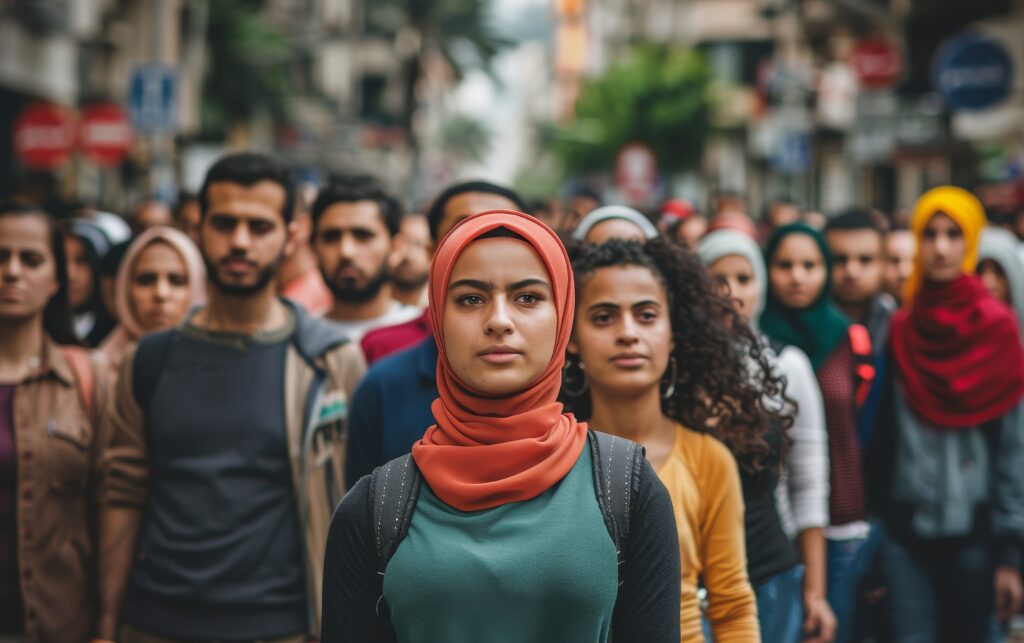
Youth unemployment remains one of the most pressing socio-economic challenges in Pakistan in 2026. With over 60% of the population under the age of 30, the country holds significant demographic potential. However, this potential is increasingly underutilized due to structural inefficiencies in education, economic instability, and a rapidly evolving global job market. The mismatch between skills and opportunities has created a widening gap, leaving a large portion of educated and semi-educated youth either unemployed or underemployed.
Current Situation
As of 2026, youth unemployment in Pakistan is estimated to be significantly higher than the overall national unemployment rate. Urban centers such as Karachi, Lahore, and Islamabad face a saturation of degree holders, while rural areas struggle with lack of access to employment opportunities altogether. A growing number of graduates, particularly in non-technical fields, are unable to secure jobs that match their qualifications.
Additionally, the rise of automation, artificial intelligence, and digital transformation has disrupted traditional job markets. While new opportunities are emerging in tech-driven sectors, the majority of Pakistan’s youth lack the relevant skills to participate effectively in this shift.
Key Causes of Youth Unemployment
1. Skill Mismatch
One of the primary reasons for youth unemployment is the disconnect between academic curricula and industry demands. Universities often emphasize theoretical knowledge over practical, market-relevant skills. As a result, graduates enter the workforce without hands-on experience or problem-solving capabilities required by employers.
2. Economic Instability
Pakistan’s economic volatility, inflation, and declining industrial growth have limited job creation. Small and medium enterprises (SMEs), which are typically major employers, face challenges such as high operational costs, inconsistent policies, and limited access to financing.
3. Population Growth
Rapid population growth continues to outpace job creation. Every year, millions of young individuals enter the labor market, but the economy is unable to absorb them at the same rate.
4. Lack of Entrepreneurship Support
While entrepreneurship is often seen as a solution, many young individuals face barriers such as lack of funding, mentorship, and regulatory support. The startup ecosystem, although growing, is still not mature enough to support large-scale employment generation.
5. Gender Disparity
Female youth unemployment remains disproportionately high due to cultural, social, and workplace barriers. Despite increasing educational attainment among women, their participation in the workforce remains limited.
Impact on Society and Economy
Youth unemployment has far-reaching consequences. Economically, it leads to reduced productivity, lower household incomes, and increased dependency ratios. Socially, it contributes to frustration, mental health issues, and in some cases, increased crime rates and brain drain as skilled individuals seek opportunities abroad.
Furthermore, prolonged unemployment among youth can erode trust in institutions and governance, leading to political instability and social unrest.
Emerging Opportunities
1. Digital Economy and Freelancing
Pakistan has seen a rise in freelancing and remote work, especially in fields such as software development, digital marketing, and content creation. Platforms enabling global work opportunities have allowed skilled individuals to bypass local job market limitations.
2. Technical and Vocational Training
There is a growing recognition of the importance of vocational and technical education. Programs focused on skills such as coding, AI, robotics, and renewable energy technologies are gradually gaining traction.
3. Startup Ecosystem Growth
Although still developing, Pakistan’s startup ecosystem is attracting investment in sectors like fintech, e-commerce, and health tech. These industries have the potential to create new job opportunities if supported effectively.
Recommendations
1. Education Reform
Align academic curricula with industry requirements by integrating practical training, internships, and project-based learning. Collaboration between universities and industries is essential.
2. Policy Stability and Economic Growth
Government policies should focus on long-term economic stability, industrial growth, and support for SMEs to encourage job creation.
3. Skill Development Programs
Invest in large-scale skill development initiatives, particularly in emerging technologies such as AI, cybersecurity, and data science.
4. Support for Entrepreneurship
Provide access to funding, mentorship, and simplified regulations to encourage young entrepreneurs. Incubators and accelerators should be expanded across the country.
5. Inclusion of Women in Workforce
Promote policies that support female employment, including flexible work arrangements, safe workplaces, and equal opportunities.
Conclusion
Youth unemployment in Pakistan in 2026 is not merely a short-term issue but a structural challenge that requires coordinated efforts from government, industry, and educational institutions. While the problem is significant, it is not insurmountable. With strategic reforms, investment in human capital, and adaptation to global technological trends, Pakistan can transform its youth population into a powerful engine for economic growth and innovation.